I was sitting alone in a field, practising Latin rhythms on the guitar, on my last day in Popayán. It was the golden hour—just before sunset—and the dimly lit sky had taken on gentle shades of orange and pink. All of a sudden, I heard a strange buzzing noise—like that of a tiny engine—something unfamiliar to my ears. I turned my head and saw it: next to where I was sitting, dipping its sharp beak into a velvety garden flower—the celestial hummingbird.
It was the first—but by far not the last—I had the fortune to observe during my time in Colombia. What, in that moment, felt like a unique and special experience was later revealed to be something not so uncommon—at least, not in Colombia.
Colombia is home to more than 163 species of hummingbird, inhabiting Andean regions, tropical and subtropical forests, blooming gardens, and even some cities. There are several species that are found exclusively in Colombia, such as the Amazilia frentiazul (indigo-capped hummingbird)—with an indigo crown standing out against its bright green plumage—and the Esmeralda de Chiribiquete (Chiribiquete emerald), with its emerald-green feathers and dark green tail.
Hummingbirds’ abilities are astonishing. Through the incredibly rapid beating of their wings—ranging from 720 to 5,400 times per minute while hovering—they can fly at speeds exceeding 50 kilometres per hour. The intense motion of their wings produces their characteristic humming sound—like that ‘tiny engine’ which has now become familiar to me.
Flying is an extraordinary effort for these tiny but perseverant birds—almost a third of their bodies consists of muscles dedicated to flight (far more than the average 15% in other birds). It also requires so much energy that they must spend most of their remaining time resting on branches or other quiet places. They often enter a state of physical inactivity called torpor, which allows them to conserve energy.
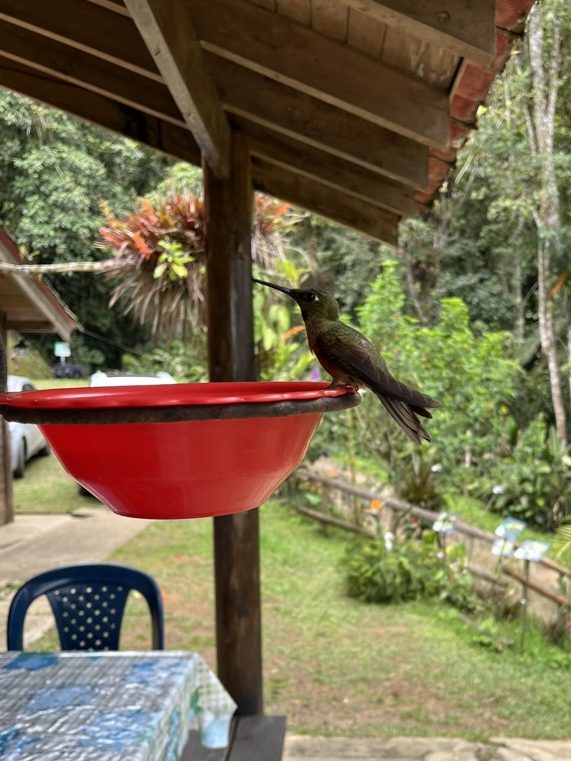
Owing to its graceful appearance and remarkable characteristics, the hummingbird has earned the affection and admiration of the Colombian people. It has become a symbol of joy, vitality and resilience, and its presence is believed to bring good luck and positive change. In some indigenous cultures, the hummingbird is regarded as a spiritual guide, a messenger from the cosmos, and a guardian of ecosystems.
The country’s rich hummingbird biodiversity has made Colombia a leading destination for hummingbird observation and scientific research worldwide. In particular, research has focused on understanding their behaviour, ecology and needs in order to support species and biodiversity conservation. Colombia has also invested in forms of ecotourism across many of its natural reserves, enabling visitors to appreciate these remarkable birds in a sustainable and respectful way while supporting conservation efforts.
While I was staying in Cali, I travelled one day to the nearby mountains to visit Finca Alejandría—also known as “El Paraíso de los Colibríes” (The Hummingbird Paradise)—which is considered one of the best birdwatching sites in the country. The site is home to 358 bird species—including tanagers, toucanets, motmots, and quetzals—and 38 different species of hummingbird.
Leaving the city on a small bus that steadily climbed uphill, winding through bends and increasingly lush greenery, was already a refreshing experience. The finca lay a few kilometres into the forest, in a peaceful setting where many species of tropical trees and flowers flourished, and birds could approach—undisturbed—the carefully prepared feeders and their favourite plants.
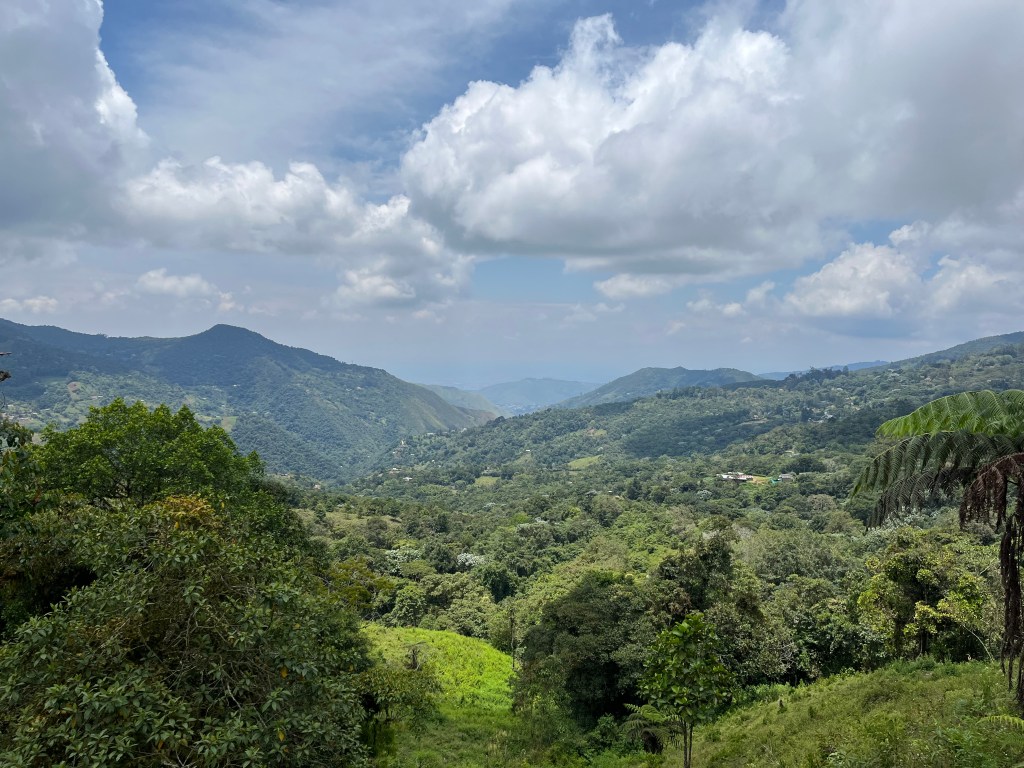
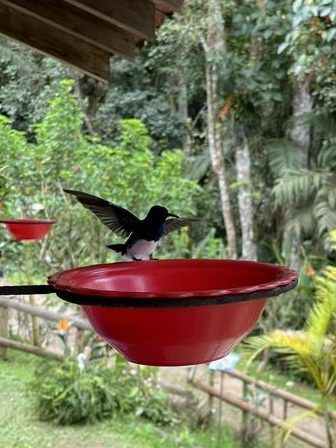
When I arrived, it felt like standing beside a highway of ‘tiny engines’, as hummingbirds darted all around. It was a captivating and unique spectacle to watch them—in all their colourful variations—hovering near the feeders, sipping nectar with their slender beaks, then rising and vanishing almost too quickly for the eye to follow.
Aida, the Colombian woman managing the finca, was not only a warm and cheerful host but also a skilled and attentive birdwatcher. She could name virtually every bird in the area, and, as she helped visitors spot those that were difficult to see, she would share small anecdotes—a glimpse into their lives—about how they had come to the finca, whether they travelled alone, or had families nearby.
“As a child, I lived in a beautiful natural area near the Pacific coast with my family,” she recalled. “We used to rescue birds and try to return them safely to their natural habitat. That’s how my love and knowledge of birds began—through daily experience—which I am fortunate to continue developing through my work, learning something new each day.”
Colombia is not only a paradise for hummingbirds but a paradise of biodiversity in general. It is the second most biodiverse country in the world (after Brazil), hosting close to 10% of the planet’s biodiversity. Colombia’s extraordinary natural wealth includes more than 80,000 recorded species, of which around 8,500 are endemic. The Andean and Amazonian regions stand out in particular for their richness. The country is especially diverse in birds, orchids, and butterflies.
Another striking feature of Colombian nature is the constant presence of mountains across much of its territory—roughly a third. The Andes, which run through the entire country from north to south, divide into three ranges: the Occidental, Central, and Oriental cordilleras. There are more than one hundred peaks exceeding 5,000 metres above sea level, with Pico Cristóbal Colón being the highest at 5,775 metres.
I will never forget the many long bus journeys I took through Colombia, during which even short distances—at least on the map—took far longer than expected due to steep altitude changes and winding roads. Those long hours, spent crossing only a small part of the country—the south-west—made me realise the hidden vastness of a land filled with wild nature, which can be challenging for the curious traveller to fully explore and appreciate.
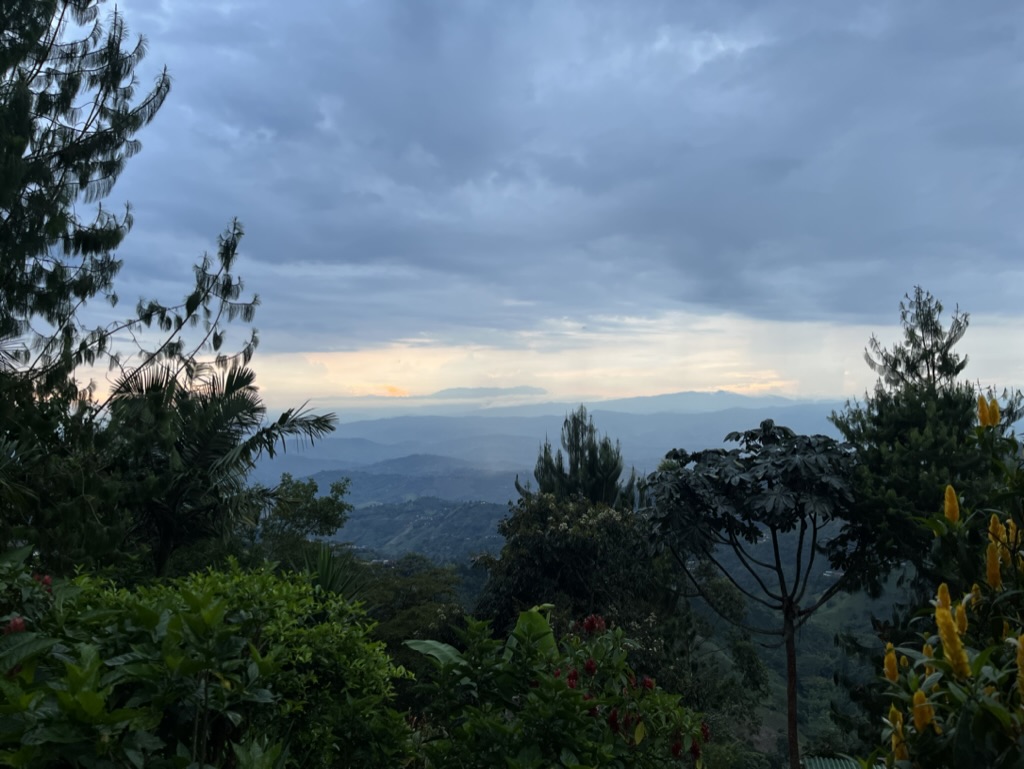
After several rather sleepless night bus journeys, I took my final trip—from Manizales to Bogotá—during the day. The journey was slow and not without interruptions, due to rough roads and construction works along the way. Yet, thanks to the slow pace and the daylight, I was able to admire once again, for hours on end, the serene and magnificent green mountain landscapes that Colombia offered to my eager eyes. I could not help but think about how much more I would have loved to explore—how many landscapes, species, rivers, forests, flowers, and mountain peaks remained unseen. But for the time being, my time in this beautifully biodiverse land was coming to an end.
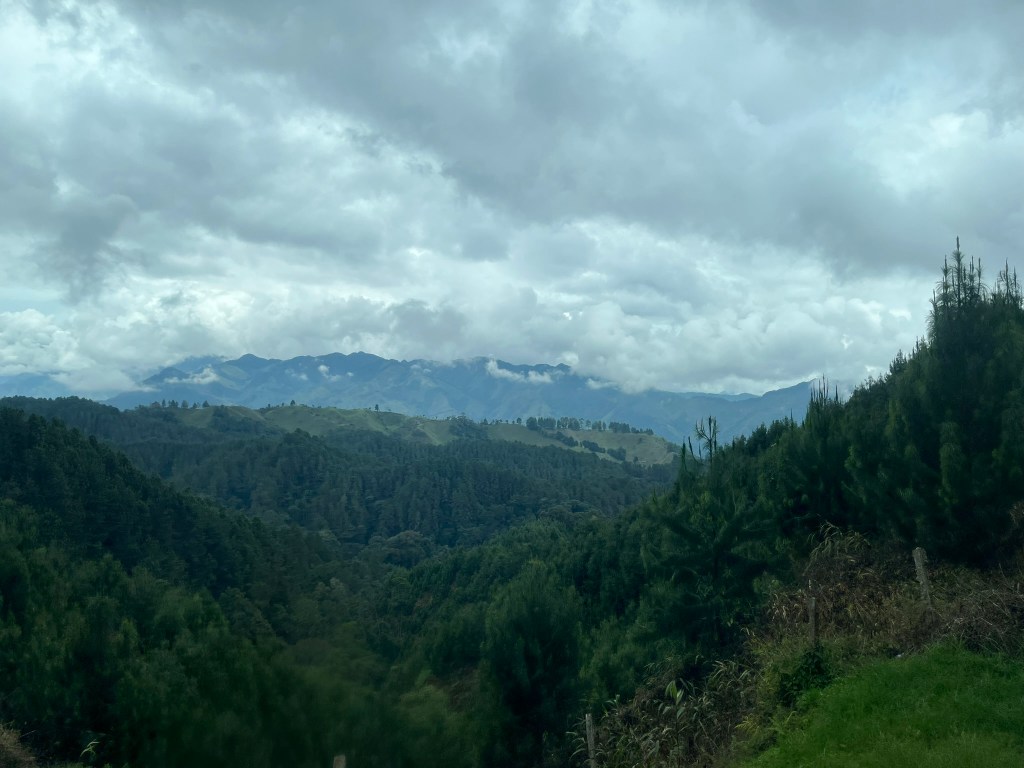
Although I was only able to explore a small part of Colombia, it offered a mesmerising glimpse into an immense natural world. Its biodiversity allowed me to appreciate, through my own senses, how precious our planet and its ecosystems are—and how important it is to protect them. It also helped me reflect on the value of encountering diverse species, understanding their uniqueness, their role in nature, and their right to exist in a harmonious environment undisturbed by human activity.
What remains with me most vividly is the hummingbirds’ liveliness—their bright colours, their vibrant energy in flight, and their ‘tiny engine’ sound—once unfamiliar, now deeply meaningful. Perhaps a small detail, yet truly the essence of what Colombia has meant, and will always mean to me: a paradise of biodiversity—el Paraíso de los Colibríes.
Back in Europe — time to switch off for a while. I have arrived at Amara Valley, a place of peace, community and co-creation in the heart of beautiful Catalan nature, where I will be staying as a volunteer for the next five weeks. Travelling through Latin America for a few months has been an incredible human, cultural and natural experience — a meaningful journey from which I bring back a wealth of priceless memories, surprising encounters, deeply felt emotions and (re-)discovered meanings. I hope I have been able to share some of these with you through my writing, and that you have enjoyed gaining a small glimpse of this journey. Keep caring for the planet, for all people and living beings — and take good care of yourselves too, as that is where it all begins. With gratitude, Lucia ♥
 Gracias a la vida
Leave a comment