“There is one thing you need to do before you leave La Habana,” my bright friend Pedro Iván told me, after we had spent an afternoon taking photographs across the harbour of La Habana, portraying the habaneros hanging out there at dusk, while the serene, golden profile of the city appeared through the figures. “You need to learn how to dance salsa.”
Somehow, I had managed to avoid this rather essential aspect of Cuban life until then — three weeks in Cuba without any dancing may well be a record. But I knew it had to happen, sooner or later. So, as with most things that happened to me here in La Habana, I let myself be carried by the flow.
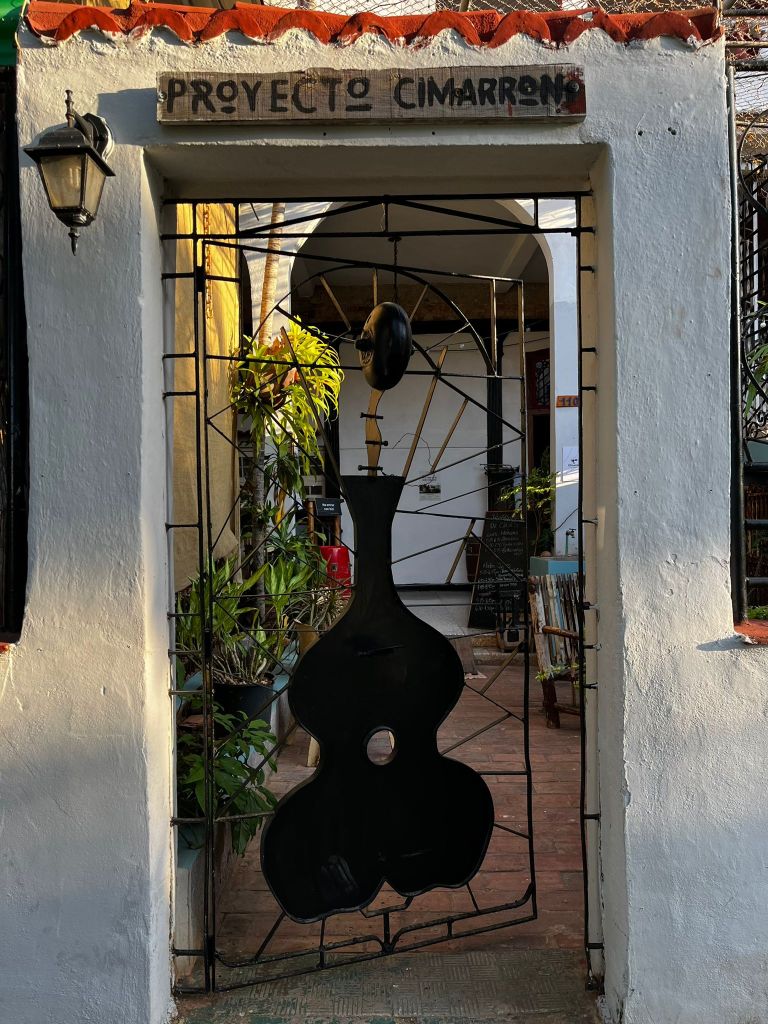
Once again, circumstances were generous, pointing me towards the right place at the right moment. Pedro Iván put me in touch with Alexis and to his Estudio El Cimarrón, a space of art and creation through dance and music. Alexis is an extraordinary dancer, able to harmoniously and boldly engage every part of his sculpted body with the musical rhythm. Beyond that, he has boundless energy and a passionate, free spirit. Together with his partner Christa, he created the Estudio El Cimarrón to empower locals and non-locals alike with at least some basic skills to survive on the dance floor. Alexis’ salsa classes perfectly reflect his free spirit: they are surprising, non-stop and fully engaging, both physically and mentally. After a couple of rather intense salsa lessons, though quite exhausted, I felt myself loosening up a little.
“Once you’ve learned some basic salsa steps, we have to go out dancing,” Pedro Iván suggested. That was the plan, but other things got in the way during my last week in La Habana. One of these was the Jazz Plaza Festival, which takes place every year at the end of January. It is a celebration of jazz music — and of music in general — spread across different locations in Cuba, with La Habana as its main hub, bringing together musicians and music lovers from all over the world.
One concert introduced me to an intriguing combination of Japanese traditional music and Afro-Cuban jazz, arranged by Kono — a Japanese percussionist with a lifelong dedication to, and remarkable knowledge of, Cuban music — and impeccably performed by him together with young, talented Cuban jazz musicians, Los Chicos de Cuba.
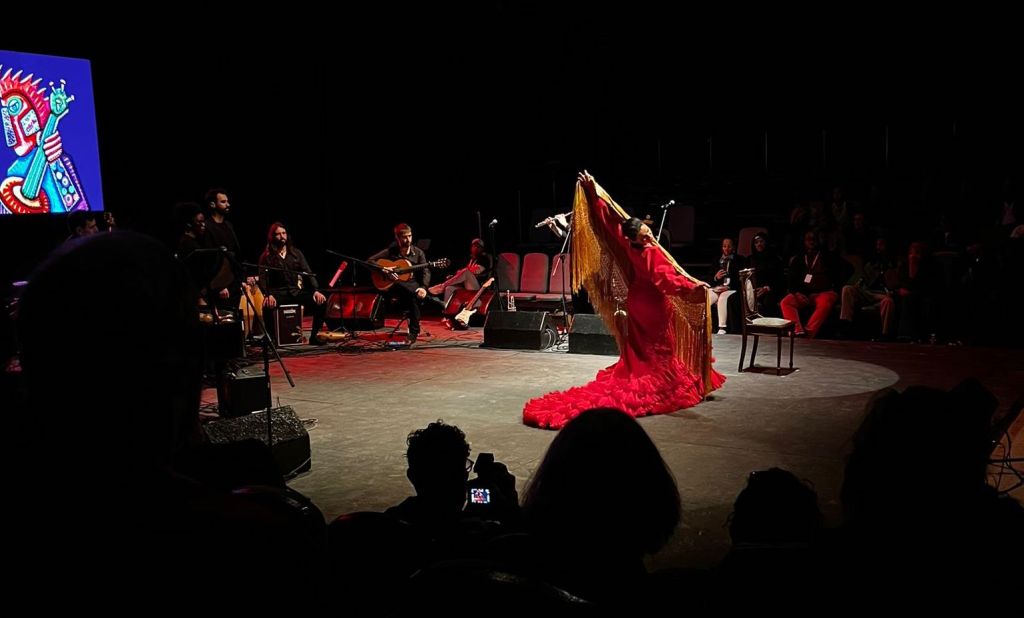
A Spanish-Cuban flamenco ensemble named Sireré impressed audiences across several music halls over consecutive days of the festival. On the night I attended, the show was delayed by a couple of hours due to a blackout that lasted longer than expected — but there were rumours that electricity would be restored, so people kept waiting. When the lights eventually went on, the performance left us with no regrets. Enchanting flamenco music accompanied beautiful choral singing, mesmerising dances, and an interpretation of flamenco that evoked — and made tangible — its profound emotional core. The vibrant, positive energy and charming smile of the Cuban lead bailarina were contagious and, even more than the return of electricity, gave the audience a feeling of blissful thoughtlessness.
The festival brought a reassuring kind of chaos to a city that, in my experience, had felt unnaturally quiet. Once, I was even denied entry to a concert because the venue was too full — an occurrence I later rejoiced in, as it felt like the music was finally receiving the attention it deserved.
Life in La Habana had been getting harder over the past few days: longer blackouts, longer queues at gas stations, fewer cars on the roads, and increasing difficulty moving around. A few words echoed in my mind during this time. One of them is ahorrar, which means “to save”. People are constantly trying to save energy, particularly electricity, as they cannot foresee how long the blackouts will last, nor whether their generators will hold up long enough to cover them (for the fortunate ones who have one). Another word is echar pa’lante, a very Cuban expression meaning “to push forward”, “to make it”, “to carry on”. Despite the limitations — which have been worsening by the day — people in Cuba do manage to go on with their lives, with patience and resilience, finding solutions to problems that did not exist the day before — and dancing to the sound of son cubano while things get sorted out (or not).
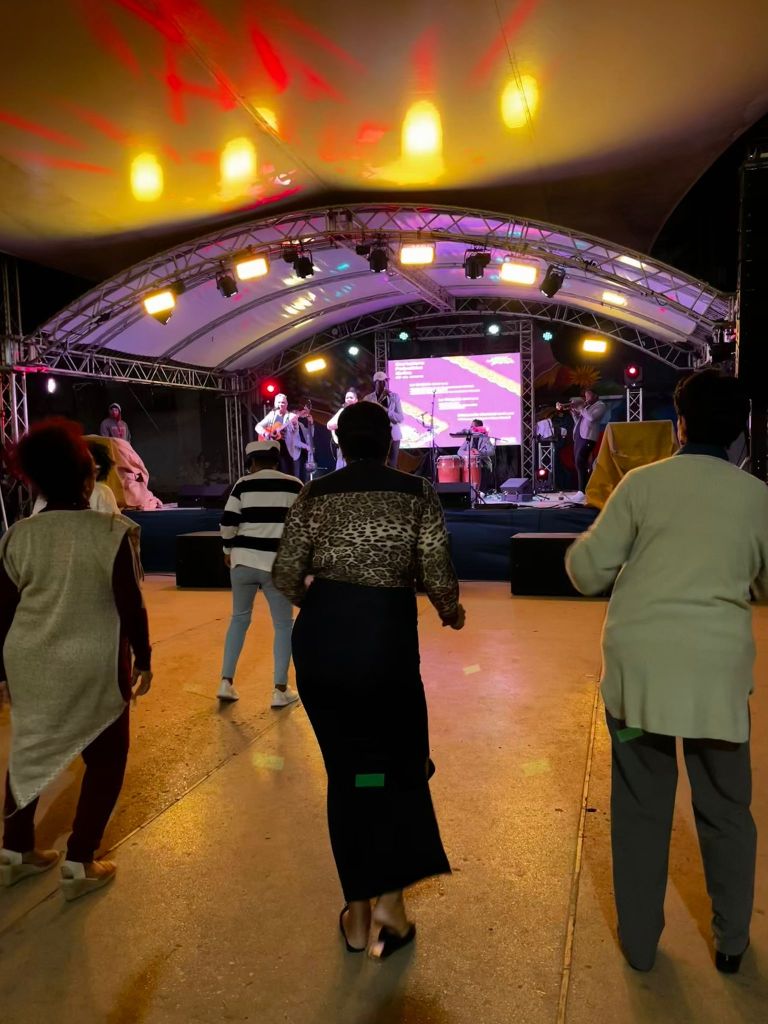
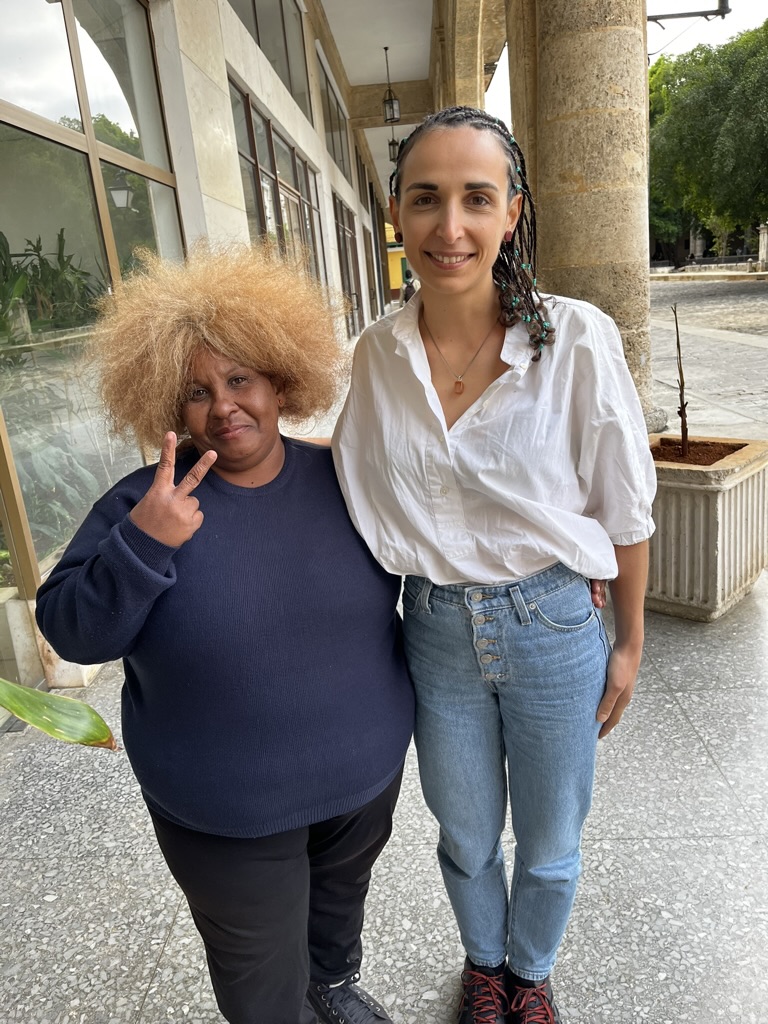
As for me, I did not manage a proper night out dancing, but I did practise a few salsa steps while mingling with an energetic group of Cuban women at one of the festival concerts. Leaving La Habana was not easy, after a month full of (street) encounters, Cuban life lessons, and more or less successful attempts to find my way around the city. This mystical place had begun to feel a little like home — and I had even started to feel like a habanera myself, after having my hair braided by Yeni on the streets of Habana Vieja, and through my humorous attempts at adopting a Cuban accent: dropping all final “s” sounds and turning every “r” into a sort of “l” (yes, the Cuban accent is a complicated one).
But my Cuban journey has not come to an end yet. Deeply inspired and grateful for everything I have learned and discovered so far, I, too, choose to adopt the Cuban attitude of echar pa’lante. Filled with solidarity and admiration, I will continue to listen, appreciate and share some of wisdom I am acquiring in this beautiful country, from its beautiful pueblo.
Next stop, the Cuban countryside.
 Gracias a la vida
Leave a comment